

Castelo de Atouguia da Baleia is a medieval castle site in Atouguia da Baleia, within Peniche municipality, Portugal. The remains are woven into the settlement rather than standing as an intact fortress, and the site’s history reflects the importance of a once-sheltered port. The village is about 7.0 km from this Peniche hotel.
- Location: Atouguia da Baleia, Peniche municipality, Leiria district
- Heritage status: Imóvel de Interesse Público
- What remains: Sections of wall, a tower and a square turret
- Access: Opening hours, admission charges and entry arrangements are not established; check the official site before you go.
Where does Castelo de Atouguia da Baleia stand?
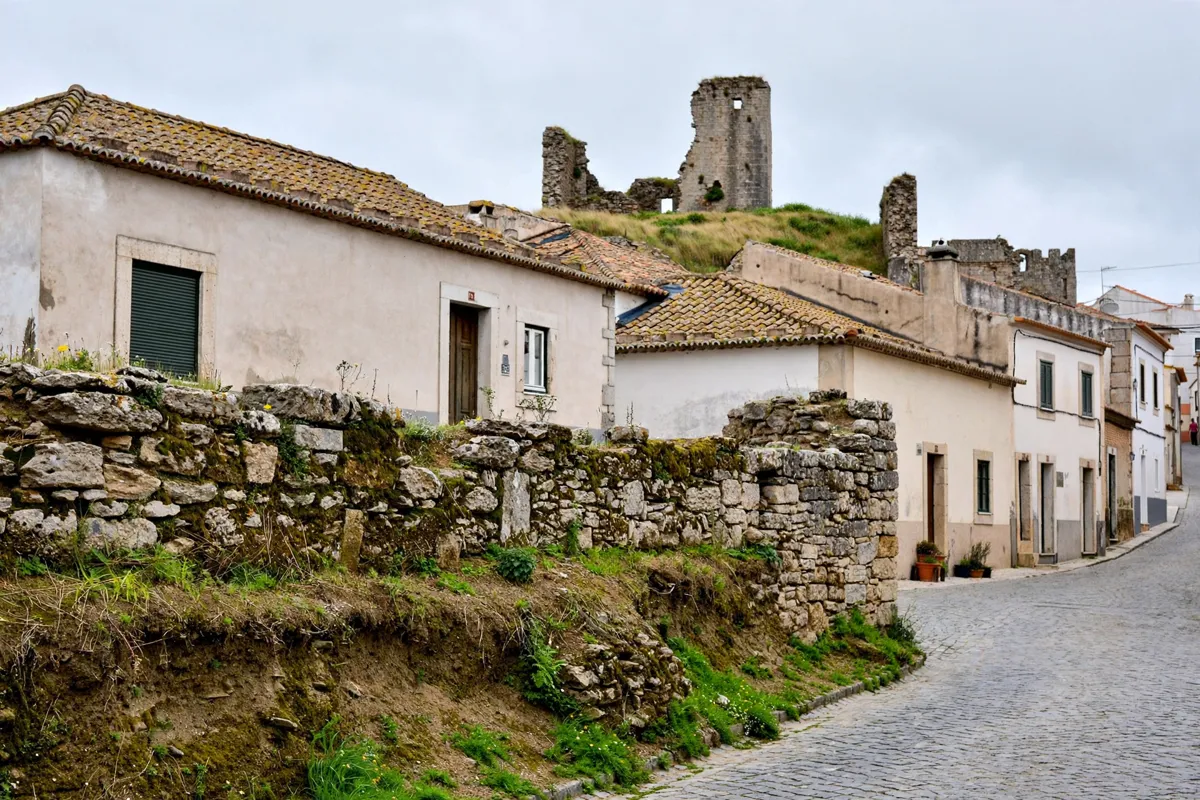
The castle remains stand within Atouguia da Baleia, a village in Peniche municipality in Portugal’s Leiria district. The official heritage record gives the site’s name as “Restos da torre e muralhas do antigo Castelo de Atouguia da Baleia,” identifying it as military architecture of the castle type.
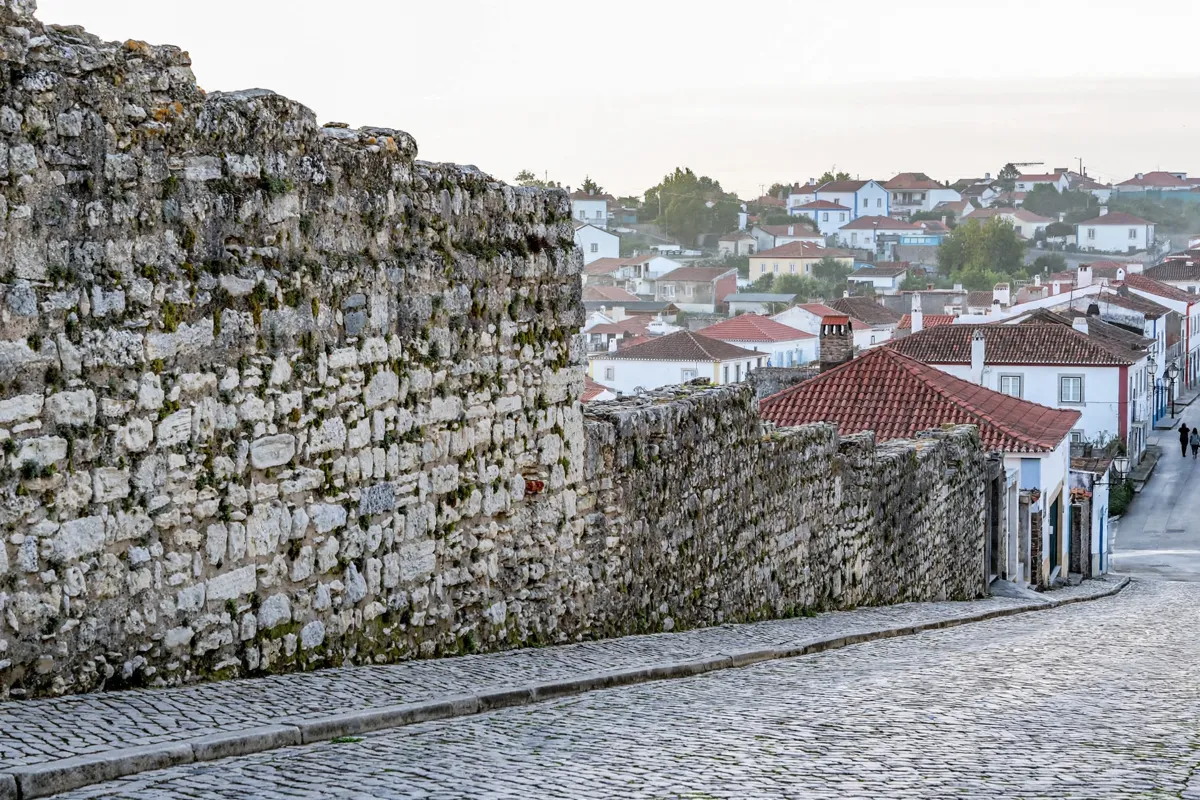
The remains occupy a historic settlement, not an isolated hilltop complex. The record’s photographs show fragments of wall incorporated among houses, with the Church of São Leonardo appearing as a nearby landmark. This village setting helps explain why the castle can be easy to overlook if you expect a complete fortress enclosure.
How did the castle shape Atouguia da Baleia’s history?
Atouguia da Baleia became a medieval municipal seat from the 12th century, linked to its sheltered position beside an important port. A document from 1158 records the donation of the “herdade da Touguia” to D. Guilherme de Cornibus, apparently one of the crusaders who helped Afonso Henriques in the 1147 conquests.
The heritage history connects the castle’s construction to that donation and the later effort to populate and organize the territory; it presents the timing as a historical inference, not a confirmed building date.
The castle overlooked a port whose sheltered setting gave it regional importance on the Atlantic coast. Over time, the progressive silting of the São Domingos stream diminished the visibility of this medieval landscape.
A study hosted by the Museu Nacional Resistência e Liberdade describes the castle as the region’s first fortified redoubt around the present-day Peniche peninsula. It characterizes the site as a riverside fortification, rather than a modern maritime fortress.
The study also describes a defensive triangle involving the castle, Peniche and Baleal, with views toward the port and inlet and protection for the population inside the walls.
The remains are classified as an Imóvel de Interesse Público. The classification was established by Portaria n.º 107/2006, published in the Diário da República, II Série, no. 6, on 9 January 2006; its process began with a municipal proposal in 1991 and an opening order in 1996.
What can you see at the castle site?
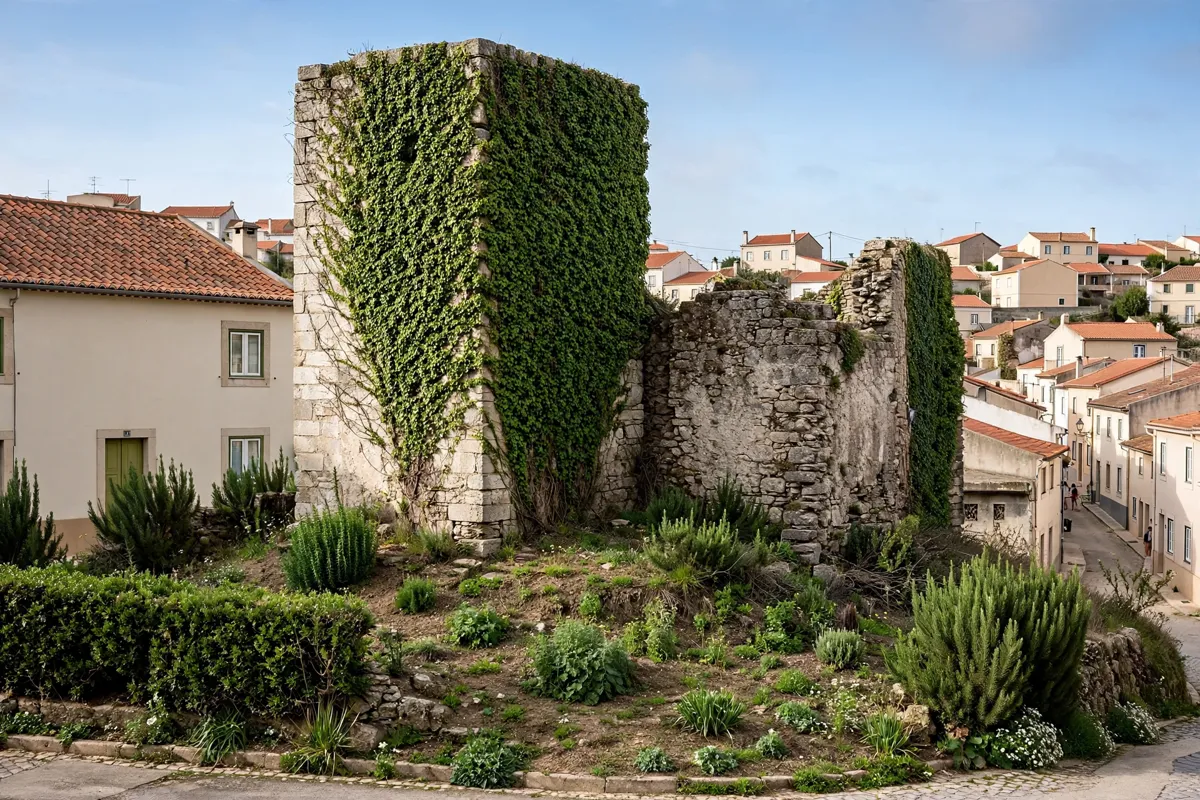
At the site, look for fragments of the old defensive structure among the surrounding buildings. Heritage-record captions identify surviving wall sections, a tower and a square turret, as well as raised ground in the surrounding land marking the foundation level of the wider strategic complex.
Expect an archaeological and village landscape, not a standalone castle with a complete circuit to explore. Houses and wall sections sit within the former enclosure, so take in the remains alongside the surrounding streets and the Church of São Leonardo.
The question of what to see at the Pelourinho de Atouguia da Baleia also fits a visit to the village.
The heritage record also connects the castle’s position to the sheltered port and inlet. The modern landscape no longer presents that medieval setting as clearly, in part because the São Domingos stream gradually silted up.
How do you get from Peniche to Atouguia da Baleia?
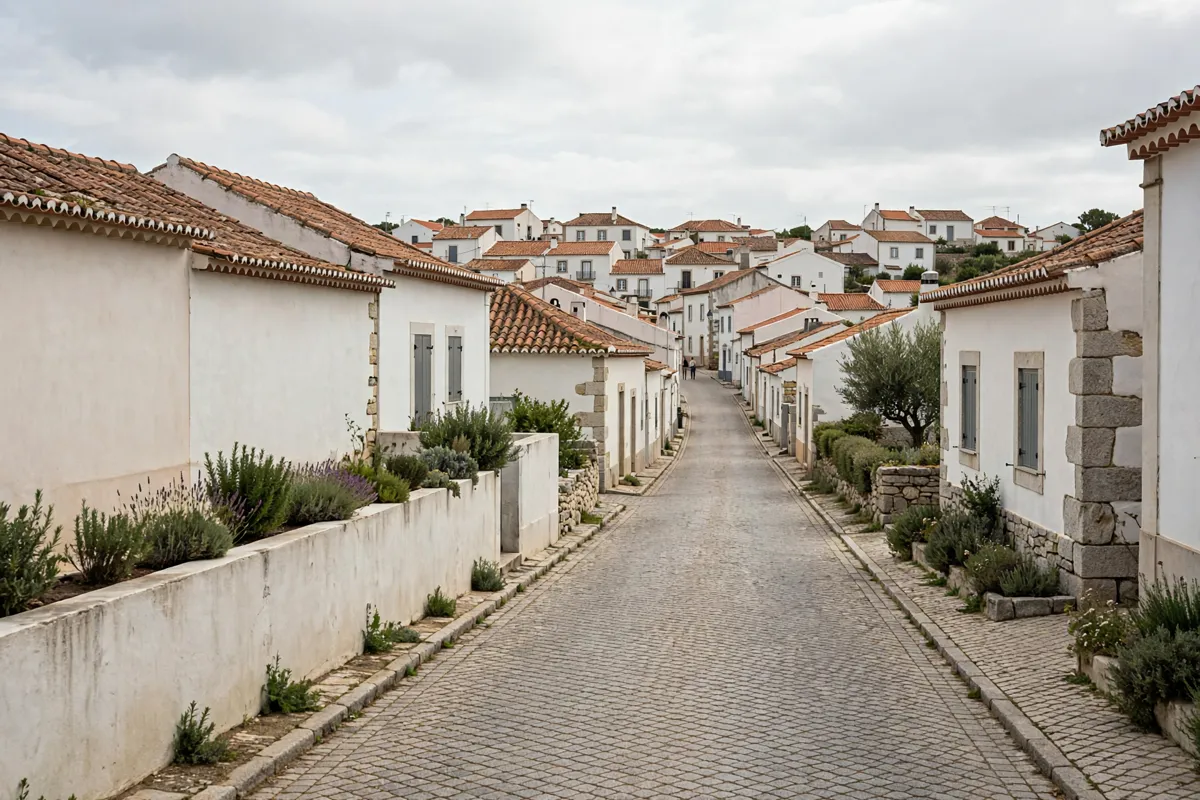
Atouguia da Baleia is a local excursion from Peniche, with the castle remains in the village rather than in central Peniche. Plan your journey around the village address and confirm the route before setting out.
A Transitland route listing identifies Rodoviária do Oeste route 613, which runs between Peniche and Torres Vedras and has a stop on Rua de Macau in Atouguia da Baleia.
A secondary journey-planning result mentions line 990 and taxis. For a broader day plan, how to spend one day in Peniche can help you place the village excursion alongside other stops.
Access, opening details and nearby context
The castle is recorded as protected heritage, but opening hours, admission charges, booking arrangements and confirmation of current entry access are not established. Treat the remains as a village heritage site rather than assuming there is a staffed entrance or visitor facility.
Before travelling, verify public-transport times with the operator. The heritage record’s coordinates are 39.340109, -9.325273.
FAQs
Is Castelo de Atouguia da Baleia an intact castle?
No. The site consists of surviving wall sections, a tower and a square turret incorporated into the village settlement.
Why was the castle built at Atouguia da Baleia?
Its history is associated with a sheltered, important port and the medieval organization of the territory. The castle’s construction is linked to a 1158 land donation and subsequent settlement efforts, though the construction date is an inference.
Can you go inside the castle remains?
Current entry access has not been confirmed, and opening hours, admission charges and booking arrangements are not established. Check official local information before making plans.
What else is near the castle?
The Church of São Leonardo is identified as a nearby landmark in the heritage record. The Pelourinho de Atouguia da Baleia is another local heritage point.